Repairs · Newmarket
Garage Door Perimeter Weatherstrip in Newmarket
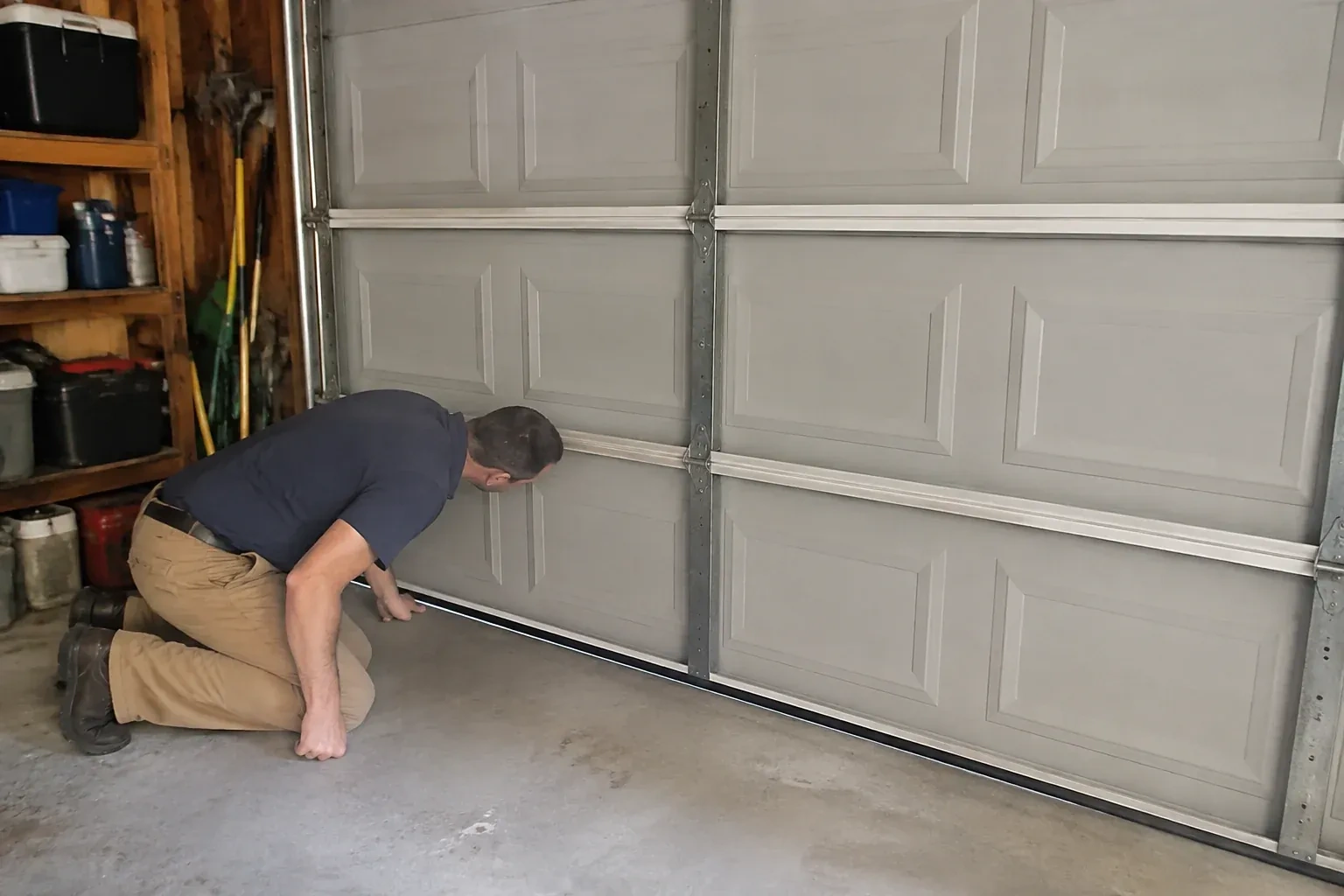
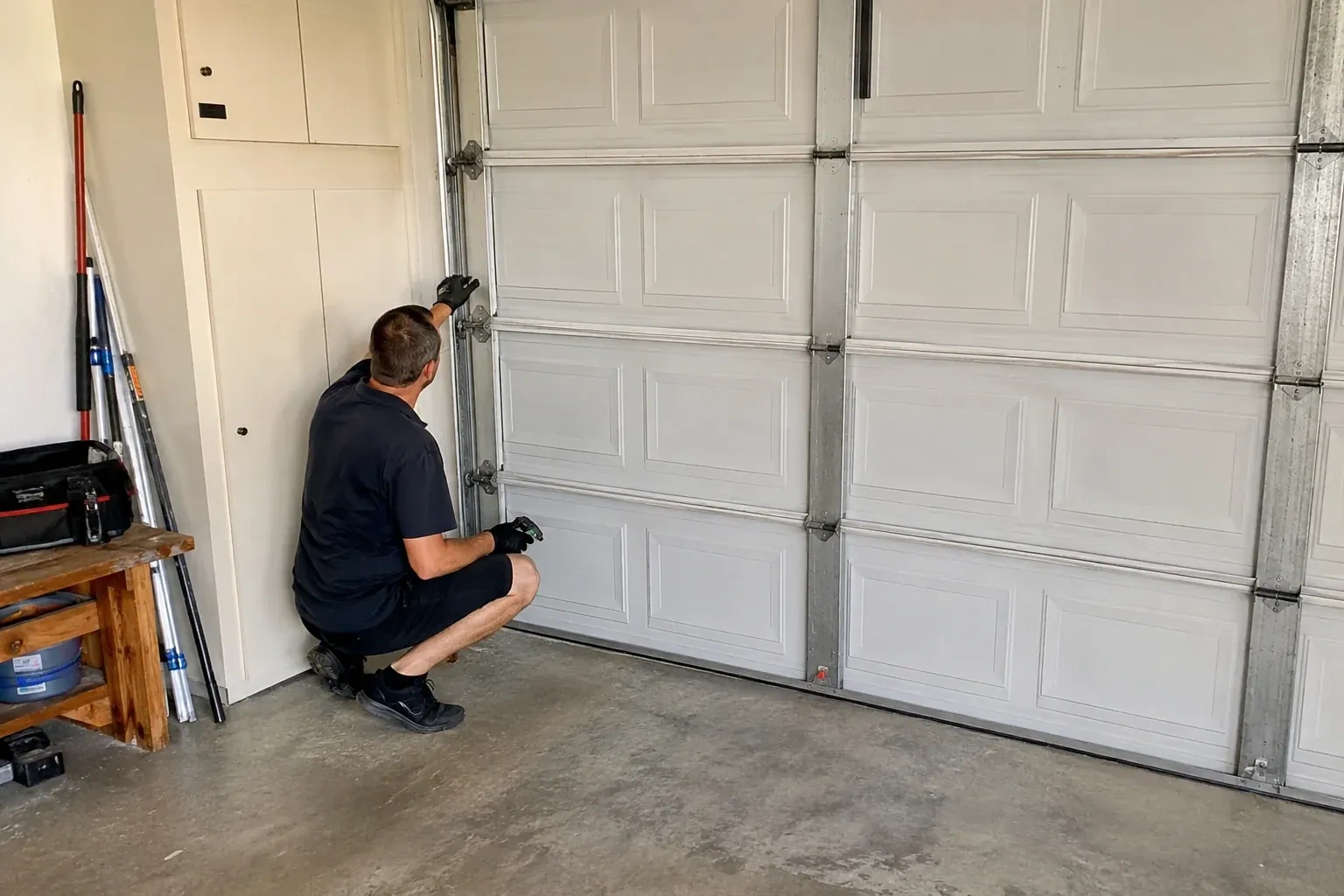
The bedroom over the garage is always the cold room, and standing in the garage you can feel why: a steady draft along the door edges that moves the cobwebs on the wall.
In plain words
Perimeter seal comes in two common forms, and the visit begins by deciding which suits your opening. The simpler is a flexible vinyl fin nailed to the face of the existing wood stop, which works well where the stop is sound. The other is a one-piece vinyl stop moulding with the fin built in, which replaces the wood stop altogether and suits jambs that are weathered or where the old stop is cracked and paint-heavy. Commercial doors sometimes carry an aluminum retainer with a replaceable rubber insert. Each is cut to your header and sides on site and set against the closed door.
How the visit goesThe bedroom over the garage is always the cold room, and standing in the garage you can feel why: a steady draft along the door edges that moves the cobwebs on the wall. The seal around the opening has flattened to nothing.
Garage Door Perimeter Weatherstrip
How the visit goes
Trim, cladding and where water gets behind
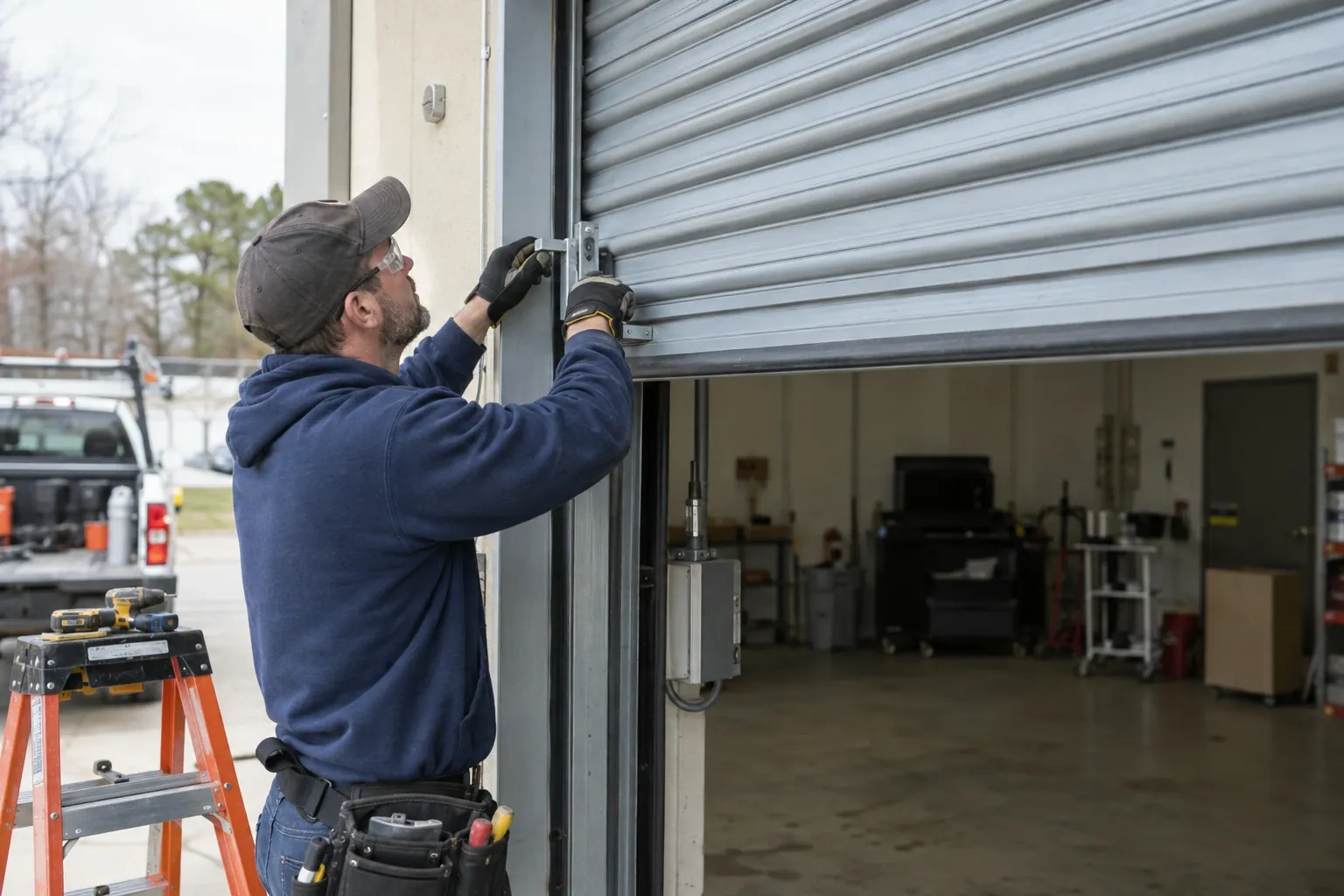
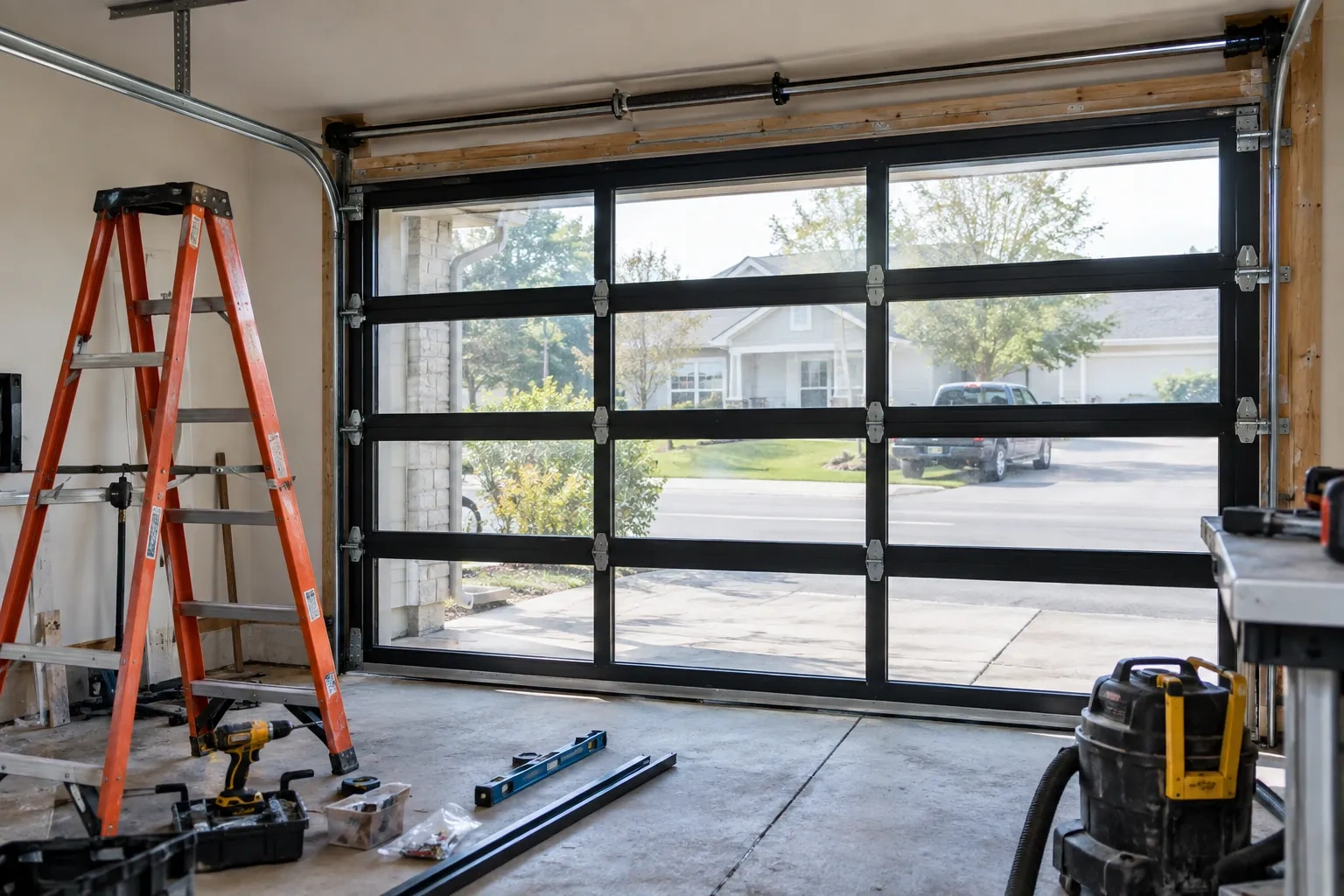
The seal shares the jamb with brickmould, siding, capping and old caulking, and water that gets behind any of them ends up in the wood the strip is nailed to. The technician follows the joint between stop and trim looking for cracked or missing caulk, capping that funnels water down the jamb face, and gaps at the sill where meltwater collects. These are small things to correct while the old strip is off and the surface is bare, and they are what stop the fresh wood from going the way of the old. Anything larger, such as damaged siding, is pointed out for a separate decision.
The header piece goes on first
With the door closed, the header length is cut to the full width of the opening and lifted into place, a two-person job on a double door. It is positioned so its fin lies against the top section with a slight, even deflection along the whole width, then fastened from the centre outward with galvanized or stainless nails or exterior screws at regular spacing, which keeps the length straight rather than letting it wander. The ends are left to receive the side pieces beneath them. Fitting the header first means both sides are cut to meet it exactly, and the corners close properly.
If the door changes, the seal is re-checked
The seal was set against the door as it sits today. If the door is later adjusted, has its springs or rollers replaced, or is swapped for a new one, the contact can change: a door that now sits a few millimetres further out presses the fin harder, and one that sits further in leaves a gap. After any such work, do the daylight test again and ask the technician doing that job to check the perimeter seal while they are there. Re-setting a length is a small task and keeps the two parts of the system working together.
Garage Door Perimeter Weatherstrip
In the van
Jamb repair lumber or PVC trim
Aluminum retainer and rubber insert
Flat bar, hammer and nail set
Silicone spray lubricant
Exterior caulking and gun
Garage Door Perimeter Weatherstrip
What affects the quote
Alignment work on the door
Where the door sits out of square and a track bracket or the door itself needs small correction before the seal can meet it evenly, that adjustment is named separately.
Trim, brickmould and caulking
Re-caulking the joint between stop and trim, or dressing capping that channels water down the jamb, is small work done while the surface is bare and is listed on its own line.
Weather on the day
Cold weather means keeping vinyl warm between the van and the opening and fitting each length with extra care, so a winter visit can run a little longer than one in mild weather.
What to have ready
- Is the existing seal a flexible strip on a wood stop, or a one-piece vinyl moulding?
- Is anything stored against the jambs, or a car parked close to the opening?
- Has the door recently been replaced or adjusted?
Garage Door Perimeter Weatherstrip: questions
QuestionsCan I paint the new seal to match my trim?
Paint the rigid parts only. A wood stop can be painted before the fin is fitted or with the fin masked, and a vinyl stop needs no paint at all. The flexible fin is left bare, because paint fills it and stiffens it, and a stiff fin cracks well before its time once cold weather sets in. Seals come in a range of colours so the fin can match the trim without a brush.
How should I look after the new seal?
Four times a year, check for daylight from inside with the lights off and press the fin to feel that it is still soft. Wipe the seal with a damp cloth to clear grit and salt, keep paint off the fin, apply a silicone wipe before winter, and keep slush and bins away from the bottom of the jambs. Press any lifted corner back and call if a length has come loose.
Why should the seal only touch the door lightly?
The fin is meant to bend against the door with a small, even deflection. That is enough to seal, and it lets the fin spring clear as the door lifts. Pressed hard, it drags on the door face, folds under on the way down, squeals and wears through well before its time, and it adds load to the opener. Set too far off, it leaves a standing gap. The light touch is the setting that lasts.
Related services
- Garage Door Tune-UpThe door lands with a thud you can feel through the kitchen floor, and sometimes it bounces back up a few centimetres before settling.
- Off-Track Garage Door ResetThe rollers on the door have been squealing for months.
- Garage Door Panel ReplacementAfter an overnight freeze the door stuck to the slab, the opener strained, and something gave.