Springs · Newmarket
Garage Door Roller Replacement
Since the cold snap the door has been stiff and noisy first thing, and after the last thaw the bottom corner began to judder.
In plain words
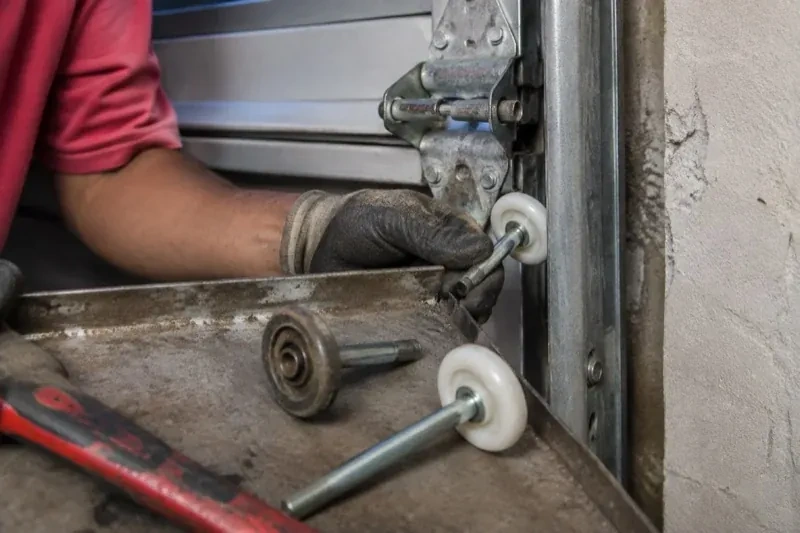
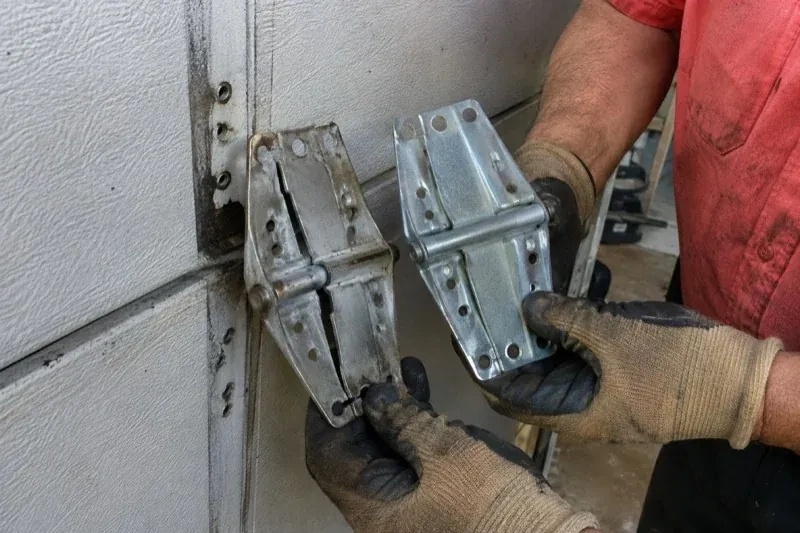
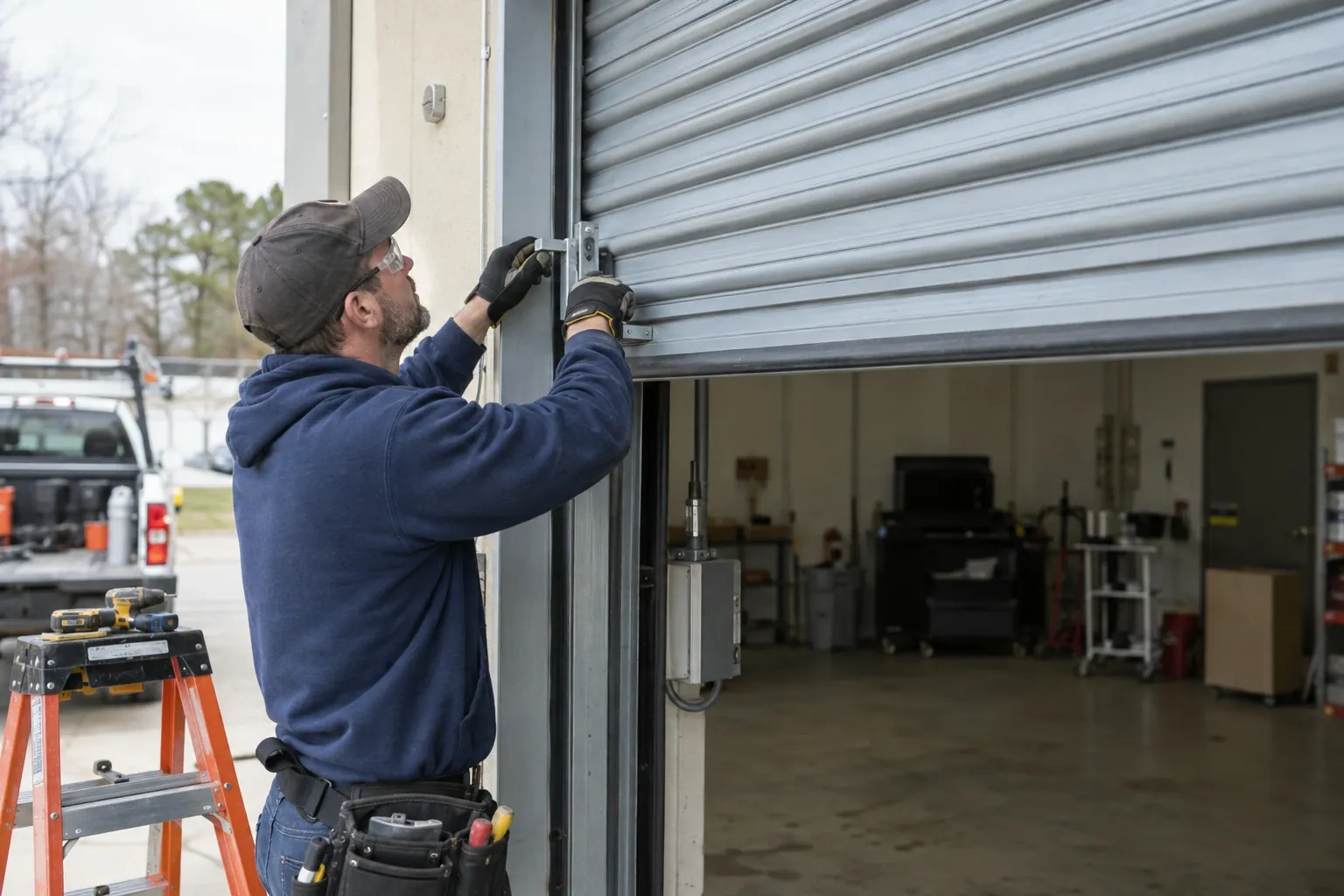
Rollers do more than reduce friction: they are what keeps the door in its track. A wheel worn oval, a bent stem, or a short stem sitting loose in a double hinge lets a section wander until the wheel rides up on the track lip, and from there a door can leave the track altogether. Replacing tired rollers before that point is a small job with a large effect on the door's future. The technician also checks hinge fasteners, jamb brackets and track alignment at the same time, since those are the other pieces that hold the door's path.
How the visit goesOne of the little wheels along the edge of the door has a chunk missing, another sits crooked in its hinge, and there is a fine grey dust on the floor under the track where plastic has been wearing away.
Garage Door Roller Replacement
How the visit goes
Does the door hold its own weight?
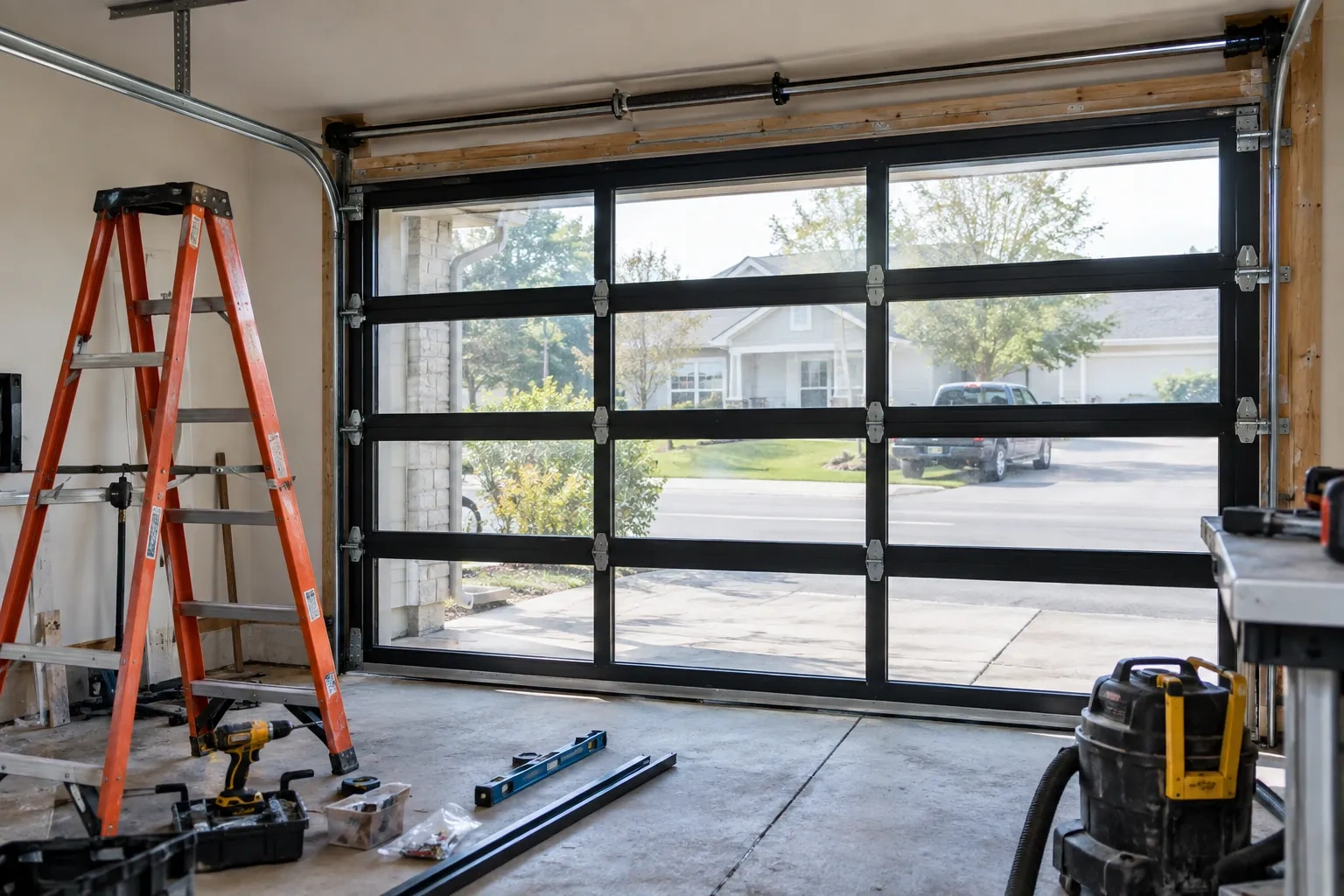
With the opener released, the technician lifts the door to knee height and then to halfway and lets go. A balanced door stays where it is put; one that drifts down or climbs is telling you the springs are out of adjustment. This check comes before roller work for a practical reason: an unbalanced door leans on its rollers and hinges with weight the springs should be carrying, and new rollers fitted to such a door wear early. If the balance is off, the technician explains what the spring system needs so you can decide whether to have it corrected in the same visit.
The bottom rollers and the cable brackets
The lowest rollers live in the bottom brackets, and those brackets also anchor the lifting cables, which means they carry the counterbalance load whenever the door is closed. This is the one roller position that is never approached casually. Depending on the door, the technician either exchanges the roller while the bracket stays fastened and the cable stays put, or first takes the spring tension off with winding bars so the bracket can be unbolted and inspected. Either way the bracket, the cable end and the fastening into the section are examined, and a corroded or bent bracket is replaced while the door is already secured.
Keeping salt and slush out of the track
Winter is where roller care pays off. Knock snow and slush off the car before pulling in when you can, and sweep or wipe the foot of the tracks after a heavy salt spell so brine and grit do not sit against the bottom rollers and brackets. If ice forms in the lower track, clear it by hand with warm water and a cloth rather than running the door through it, since wheels that skid across ice ridges wear flat spots. The bottom weather seal should sit fully on the floor; a gap lets meltwater run under the door and into the track.
Garage Door Roller Replacement
In the van
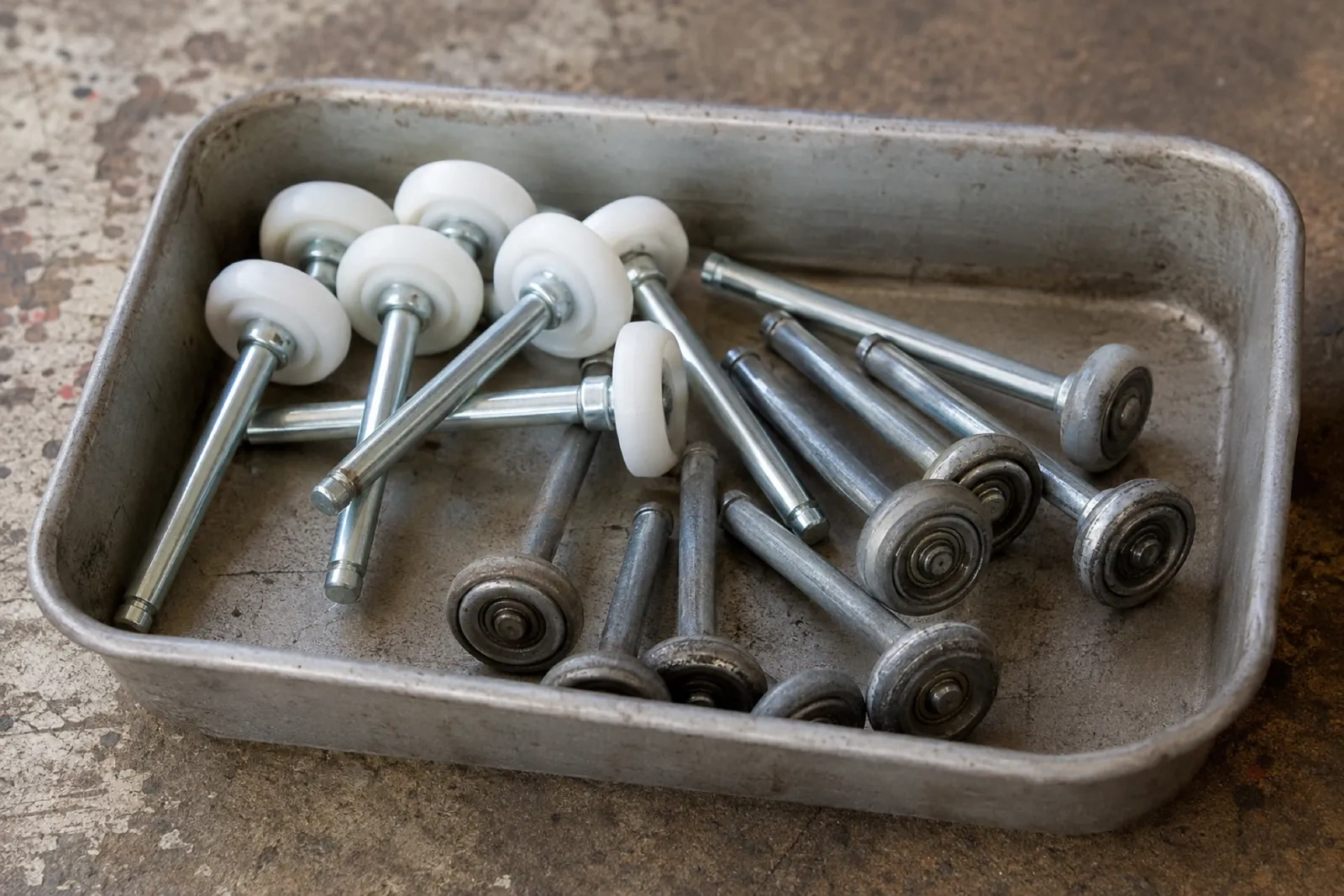
Sealed-bearing nylon rollers
Steel ball-bearing rollers
Jamb bracket fasteners
Track clamps or locking pliers
Two-inch nylon ball-bearing rollers
Garage Door Roller Replacement
What affects the quote
Residential or commercial track
Three-inch commercial track takes larger, heavier rollers and usually a heavier door behind them, and both the parts and the method of securing the door differ from a residential job.
Weight and construction of the door
A heavy insulated steel or solid wood door needs higher-rated rollers and takes more care to secure and handle than a light single-skin door, which shows in both parts and time.
Relieving spring tension for the bottom rollers
When the bottom brackets have to be unbolted, the technician takes the spring load off first with winding bars, skilled extra work that is included in the figure for that position.
What to have ready
- Are the wheels white plastic, bare steel, or a coloured nylon tire?
- Are there two hinges stacked at the ends of each section, or one?
- Do any wheels look chipped, crooked, or sitting on the lip of the track?
Garage Door Roller Replacement: questions
QuestionsHow do worn rollers affect the opener?
An opener is built to guide a balanced door, and every wheel that binds, wobbles or grinds adds resistance it has to overcome across the whole travel. It works harder, runs hotter, and may trip its force limit or reverse partway through a cycle. After roller replacement the technician confirms the door holds its own weight with the opener released, then checks the opener's force setting and its reversal on a test block, since a door that moves freely often needs those settings reduced.
I lubricated everything and the grinding came back. Why?
Lubricant restores bearings and hinges that are still sound; it has nothing to offer a wheel worn oval, a nylon tire that has cracked, or bearings whose balls have pitted their race. When a spray settles the noise for a day or two and it returns, the wear is in the roller itself and replacement is the answer. Spray on the track or a plastic wheel can make matters worse by collecting grit, so the technician cleans that off as part of the job.
Should I replace rollers when the springs are replaced?
It is a common and sensible pairing. Rollers and springs are the two most frequently replaced parts on a door and wear on similar timelines, so a door that has used up its springs has usually worn its rollers too. Doing both in one visit means the door is secured and the opener disconnected once, and the bottom brackets, which are handled for spring work anyway, receive new rollers while they are accessible. Ask for the rollers to be checked whenever spring work is booked.
Related services
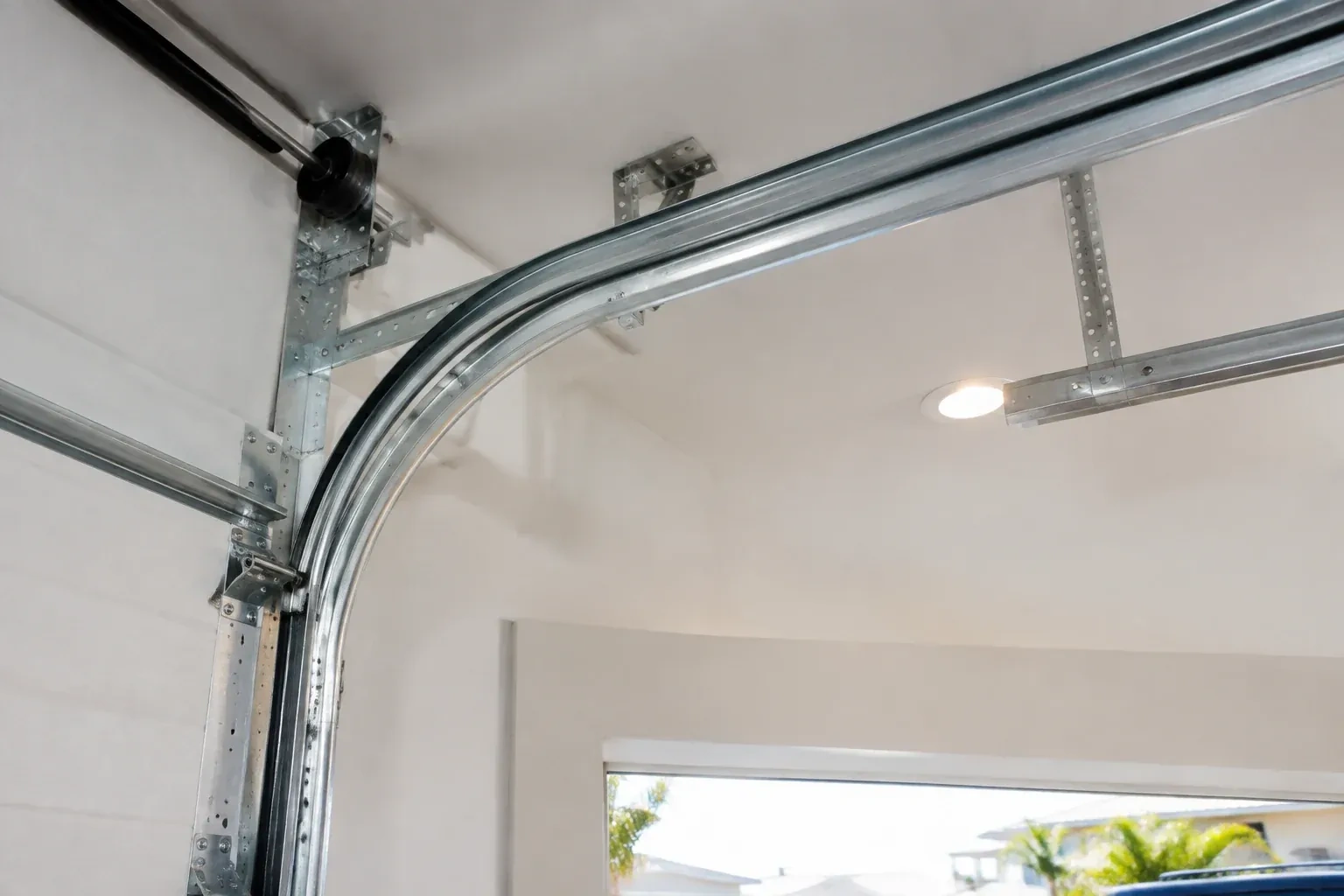
- Garage Door Track Repair or ReplacementHalfway up, the door lurches and one roller rides onto the lip of the channel.
- Garage Door Cable ReplacementAfter years of slushy winters the cables look thinner near the bottom brackets, with rust streaks running down the door where they attach.
- Torsion Spring ReplacementOne side of the door sits higher than the other in the tracks, and a lift cable is hanging slack or has jumped off its drum.